
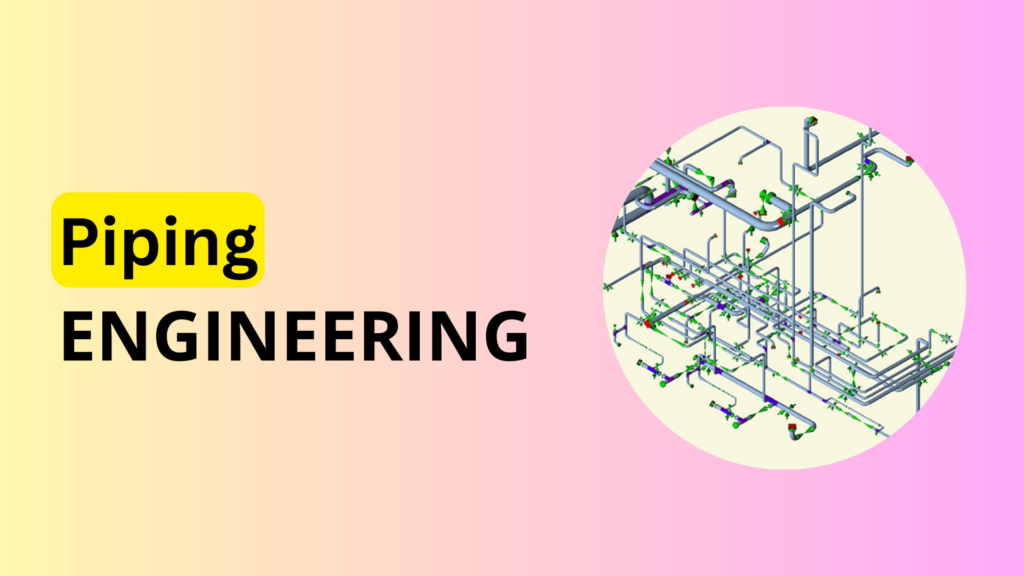
Piping Engineering: The Backbone of Industrial Infrastructure
Piping engineering is a vital discipline that plays a pivotal role in the design, construction, and maintenance of piping systems, serving as the lifeline for various industrial sectors. This comprehensive article delves into the world of piping engineering, providing insights into its significance, key components, best practices, and its critical role in the infrastructure of modern industries.
The Significance of Piping Engineering
Piping systems form the arteries and veins of industrial facilities, ensuring the safe and efficient transportation of liquids and gases. The significance of piping engineering can be understood through several key aspects:
1.1. Safety and Reliability
Ensuring the safety and reliability of piping systems is paramount. Piping engineers meticulously design, analyze, and oversee the construction of these systems to prevent accidents, leaks, and operational failures, thus safeguarding the environment and personnel.
1.2. Efficiency and Productivity
Efficient piping systems reduce energy consumption, minimize downtime, and optimize the flow of materials within industrial facilities. This leads to increased productivity and cost savings, making piping engineering an essential part of any industry’s operations.
1.3. Compliance with Regulations
Piping engineers work in strict adherence to industry standards and government regulations, ensuring that the designed systems comply with safety and environmental requirements.
1.4. Adaptation to Varied Applications
Piping engineering is a diverse field, with applications spanning industries such as petrochemicals, oil and gas, pharmaceuticals, power generation, water treatment, and more. Engineers must adapt their knowledge and designs to meet the specific requirements of each industry.
Key Components of Piping Engineering
Piping engineering involves a series of interrelated components, each playing a crucial role in the success of a project:
2.1. Design and Layout
The design and layout of piping systems are foundational elements of the engineering process. Engineers meticulously plan the arrangement of pipes, ensuring efficient material flow and adherence to safety standards.
2.2. Material Selection
Selecting the appropriate materials for piping systems is essential to ensure longevity and resistance to corrosion and other environmental factors. The choice of materials depends on the fluid being transported, temperature, pressure, and more.
2.3. Stress Analysis
Piping stress analysis is a critical component of piping engineering. Engineers use computer-aided tools to simulate various operational conditions and assess the system’s response to stresses like thermal expansion, pressure fluctuations, and external forces.
2.4. Fabrication and Installation
Efficient fabrication and installation are vital for the successful implementation of a piping system. Skilled labor, proper equipment, and adherence to design specifications are key to achieving this.
2.5. Maintenance and Inspection
Regular maintenance and inspection are essential to identifying and addressing potential issues before they lead to costly failures. Advanced techniques, such as non-destructive testing, help maintain the integrity of piping systems.
Best Practices in Piping Engineering
To ensure the highest quality and performance of piping systems, adhering to best practices is essential. Some key best practices in piping engineering include:
3.1. Collaborative Design
Successful piping engineering projects often involve collaboration between multiple disciplines, including mechanical, civil, and electrical engineering. Effective communication and coordination are crucial for the integration of various systems.
3.2. Computer-Aided Design (CAD)
Utilizing CAD software helps engineers create accurate and detailed designs, improving the efficiency of the planning and layout phases.
3.3. Regulatory Compliance
Maintaining awareness of and compliance with industry standards and regulations is paramount to ensure the safety and environmental integrity of piping systems.
3.4. Material Traceability
Ensuring that materials are traceable and meet quality standards is essential for long-term reliability and safety.
3.5. Documentation and Records
Thorough documentation of design, construction, and maintenance activities is crucial for future reference and for compliance with auditing and regulatory requirements.
Advancements in Piping Engineering
Piping engineering continues to evolve, with several advancements and trends shaping the field:
4.1. Digitalization
The integration of digital tools such as Building Information Modeling (BIM), 3D modeling, and simulation software has revolutionized the design and construction processes, improving accuracy and efficiency.
4.2. Sustainable Design
Growing environmental concerns have led to the development of sustainable and eco-friendly piping systems. Engineers are increasingly focused on minimizing environmental impacts and optimizing energy efficiency.
4.3. Remote Monitoring and IoT
The adoption of IoT (Internet of Things) technology allows for remote monitoring and predictive maintenance of piping systems, reducing downtime and maintenance costs.
4.4. 3D Printing
The use of 3D printing technology for piping components has gained traction, enabling rapid prototyping and customization.
4.5. Materials Innovation
Ongoing research and development in materials science have led to the development of advanced materials with improved resistance to corrosion and extreme conditions.
Application of Piping Engineering in various industries
5.1. Oil and Gas
Piping engineers in the oil and gas industry design and oversee the construction of pipelines for the transportation of crude oil and natural gas.
5.2. Petrochemicals
Petrochemical plants rely on piping engineers to design systems for the processing and transportation of chemicals and petrochemical products.
5.3. Power Generation
Piping engineers are essential in power generation facilities, designing systems for the transport of steam, water, and other fluids used in electricity production.
5.4. Pharmaceuticals
Pharmaceutical companies depend on piping engineers to design systems that meet the strict requirements for the production of drugs and vaccines.
5.5. Water Treatment
Piping engineers play a vital role in designing and maintaining water treatment facilities, ensuring the safe distribution of clean water to communities.
Conclusion
Piping engineering is a cornerstone of modern industrial infrastructure, responsible for the design, construction, and maintenance of systems that transport fluids and gases essential to our daily lives. The discipline’s significance is evident in its contribution to safety, efficiency, and compliance with regulations across a diverse range of industries.
As technology advances and sustainability becomes increasingly important, the field of piping engineering continues to evolve, offering exciting career opportunities and pushing the boundaries of what is achievable in terms of design, construction, and maintenance of piping systems. Piping engineering remains integral to the growth and success of industries worldwide, ensuring the reliable and safe operation of critical infrastructure.